
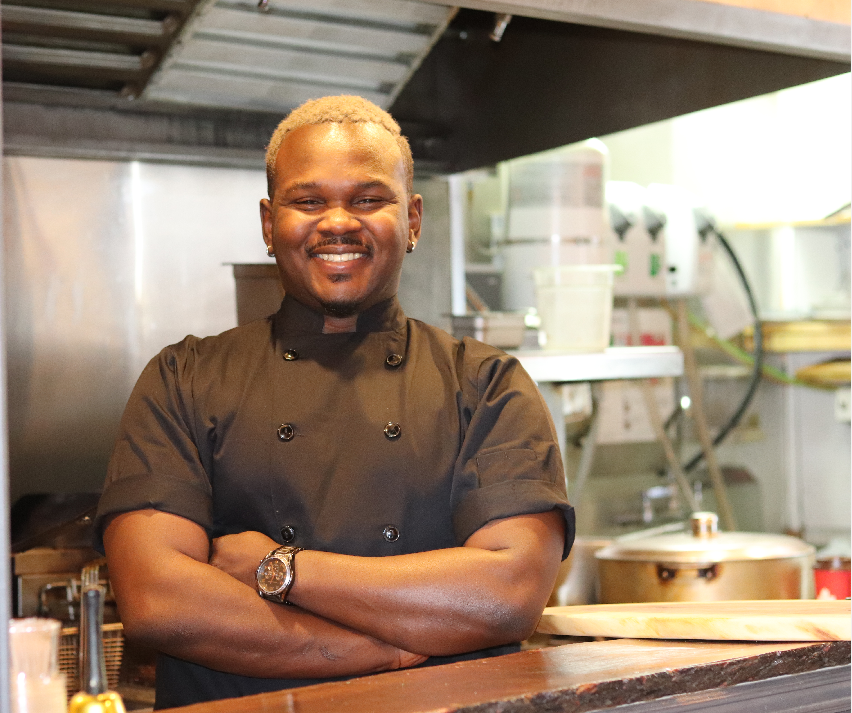
Chef Marc-Elie Lissade
Executive Chef | CEO of Black Apron Events | Co-Owner of Boukan Restaurant – Montreal, Canada
Chef Marc-Elie Lissade is a Haitian-born executive chef, entrepreneur, and culinary innovator known for blending French technique with bold Caribbean and Haitian flavors. Now based in Montreal, Canada, he is the CEO of Black Apron Events and co-owner of Boukan Restaurant, where his culinary vision celebrates culture, creativity, and refined gastronomy.
From an early age in Haiti, Chef Lissade developed a deep passion for the culinary arts. That passion evolved into a career defined by modern, sophisticated cuisine that highlights purity, seasonal ingredients, and vibrant cultural influences. His cooking style combines precision, elegance, and innovation, creating dishes that are both visually striking and deeply flavorful.
Chef Lissade has created menus for several restaurants in the United States and Canada, gaining recognition for his evolving culinary approach. In Toronto, his collaborative menu was ranked Top 5 in 2015, alongside Executive Chef Magda of La Creole Restaurant.
His culinary journey has included national recognition and prestigious collaborations. Chef Lissade appeared on the first season of MasterChef Canada, further establishing his reputation as a rising culinary talent.
Throughout his career, he has participated in numerous high-profile culinary and cultural events, including:
* Winner – Taste of the Caribbean (2018)
* Catered for international artist Wyclef Jean
* Featured chef for the Harry Jerome Awards
* Catered the VAM Expo at Evergreen Brickworks
* Collaborated on Black Apron Events x Kastel Bar Restaurant (New York)
* Featured in the American Express “Shop Small” Campaign (2020)
* Catered for Supermodel Canada Winner 2017 – We Are Royals
* Participated in a charity dinner supporting the Commonwealth of Dominica Association
Chef Lissade has also worked with artists, designers, and cultural organizations including Zenith Art Gallery Miami, designer Aura Copeland, and Adrien Forbes, bringing his culinary creativity into the worlds of art and fashion.
Through Black Apron Events, he continues to create immersive culinary experiences that merge fine dining, culture, and storytelling.
BRÈVE HISTORIQUE DE L’ALIMENTATION EN HAÏTI –
DE LA TERRE À L’ASSIETTE
Grand merci à l’un de nos partenaires principaux : CIDIHCA, pour cette exposition sur l’art culinaire en Haïti
La cuisine est l’une des portes d’entrée de la CULTURE d’un peuple…
*
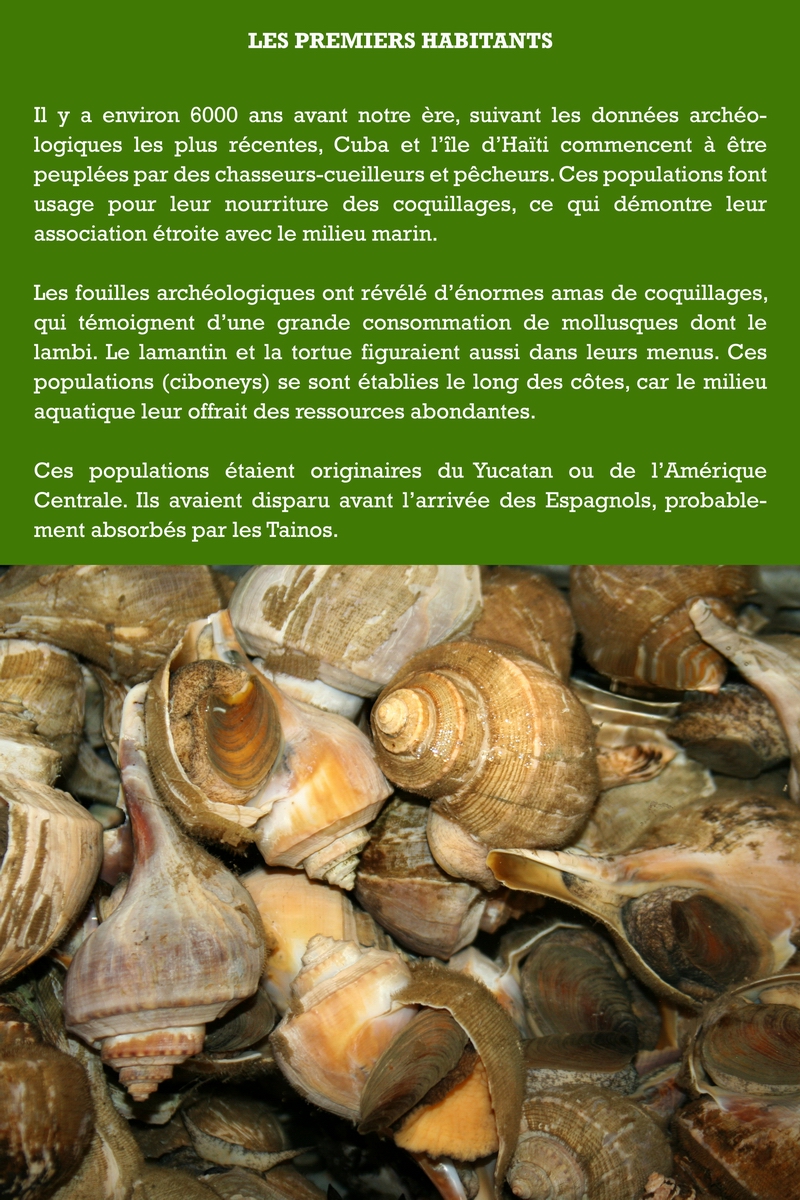
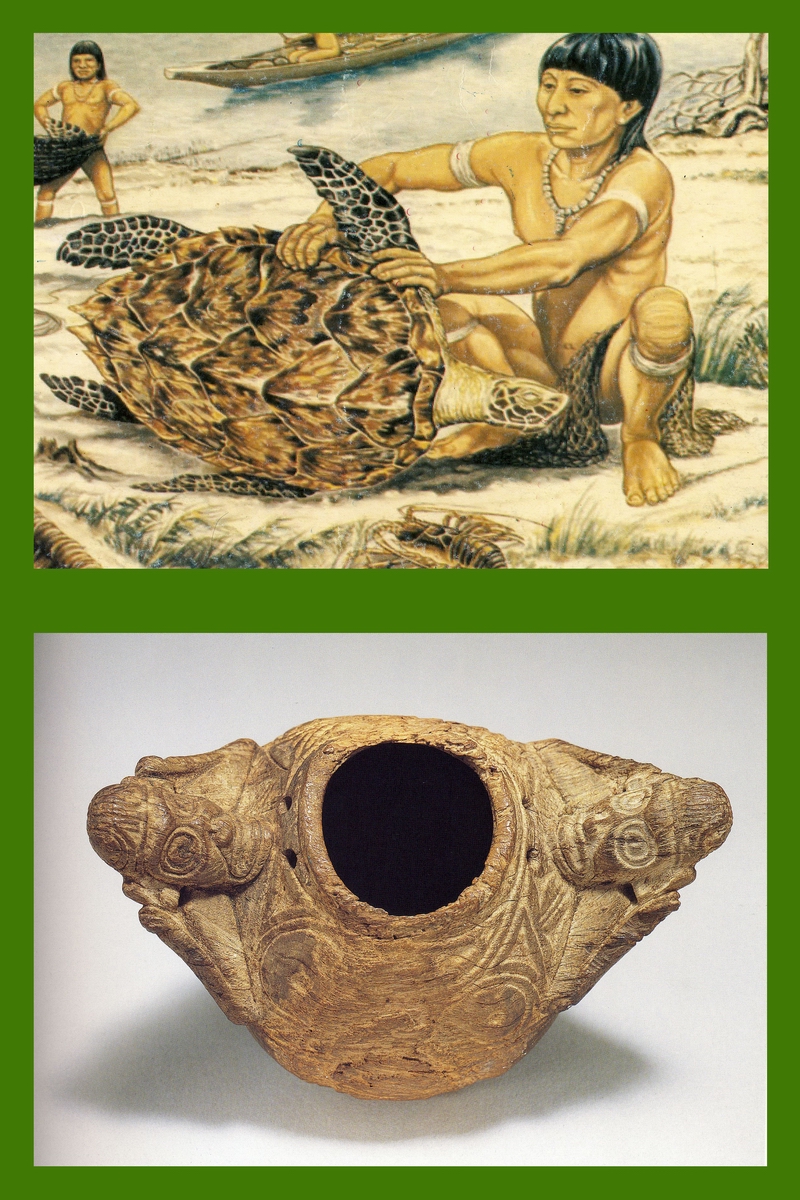
Les premiers Habitants : il y a 6,000 ans avant notre ère… Chasseurs, cueilleurs et pêcheurs
… Ils avaient disparu avant l’arrivée des Espagnols, probablement absorbés par les Tainos
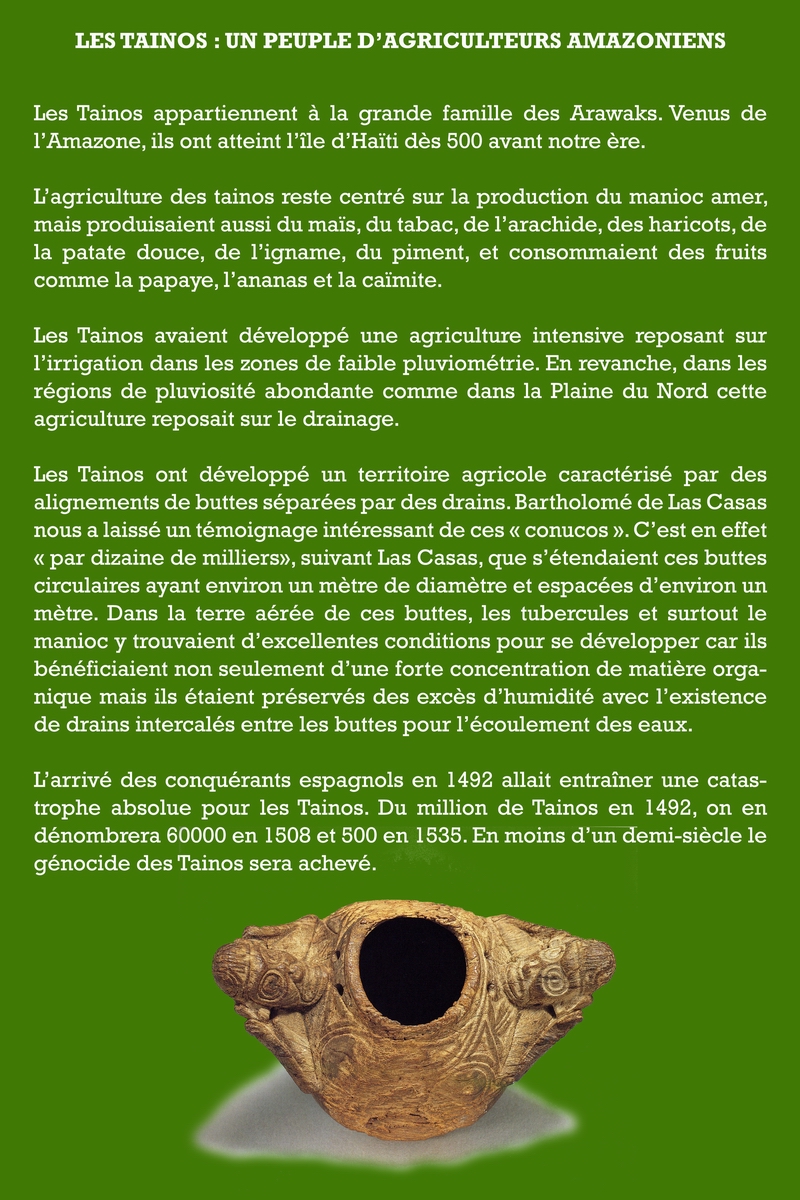
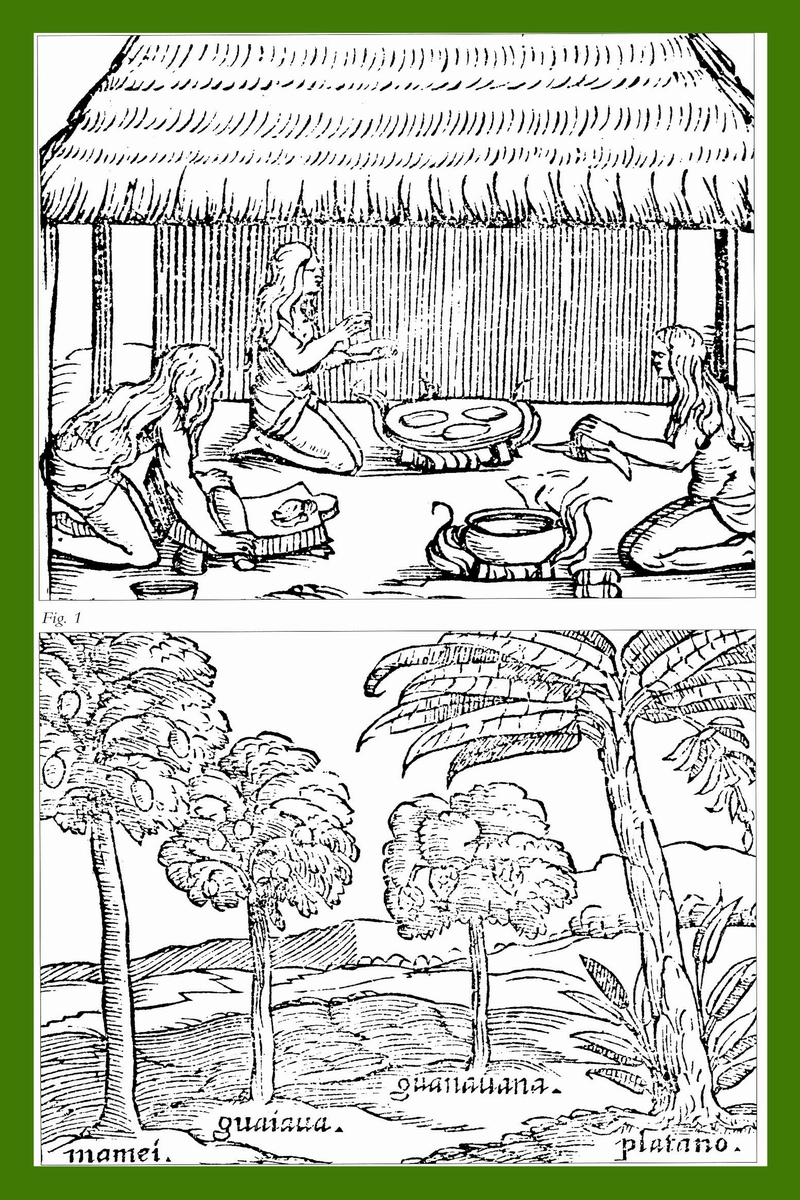
Les TAINOS : Un peuple d’agriculteurs Amazoniens.
Grande famille des Arawaks, venus de l’Amazone, ils ont atteint l’île d’Haïti dès 500 avant notre ère.
L’arrivée des conquérants espagnols en 1492 allait entraîner une catastrophe absolue pour les Tainos.
Du million de Tainos en 1492, on en dénombrera 60,000 en 1508… et 500 en 1535.
En moins d’un demi-siècle, la génocide des Tainos est achevé.
+
+
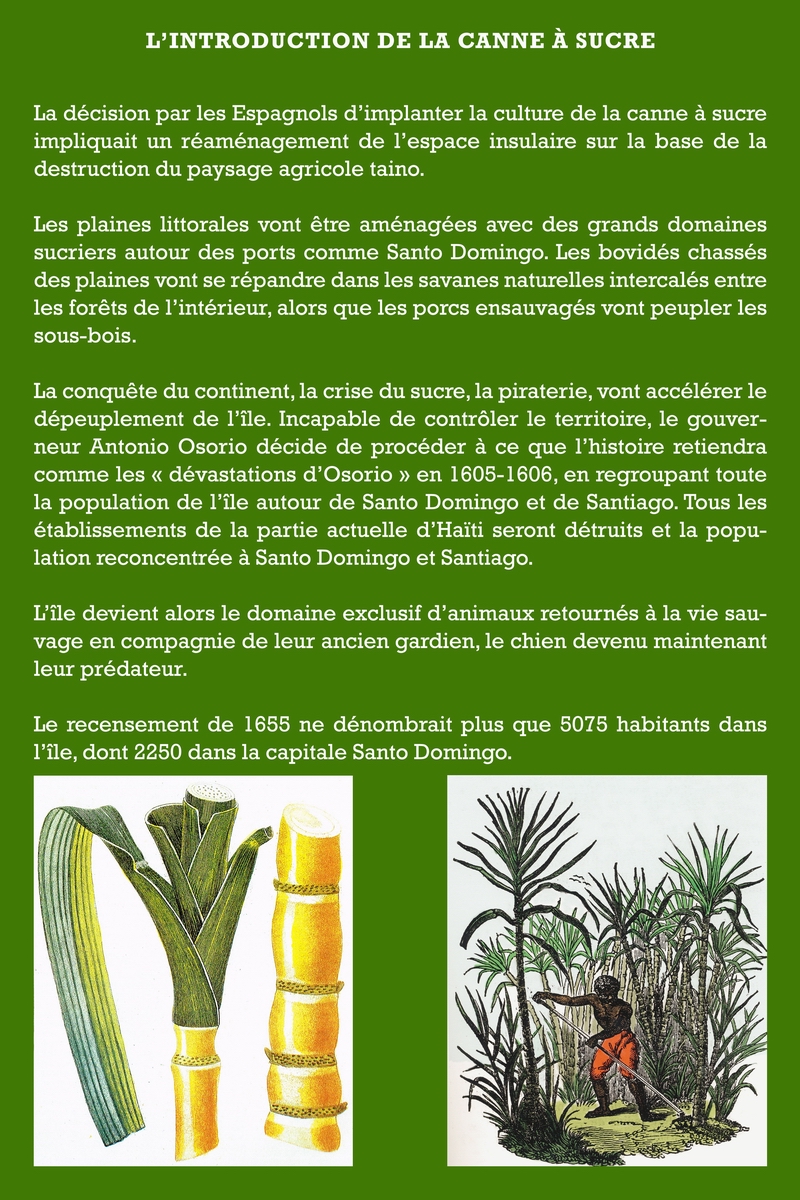
L’introduction de la Canne à Sucre
–
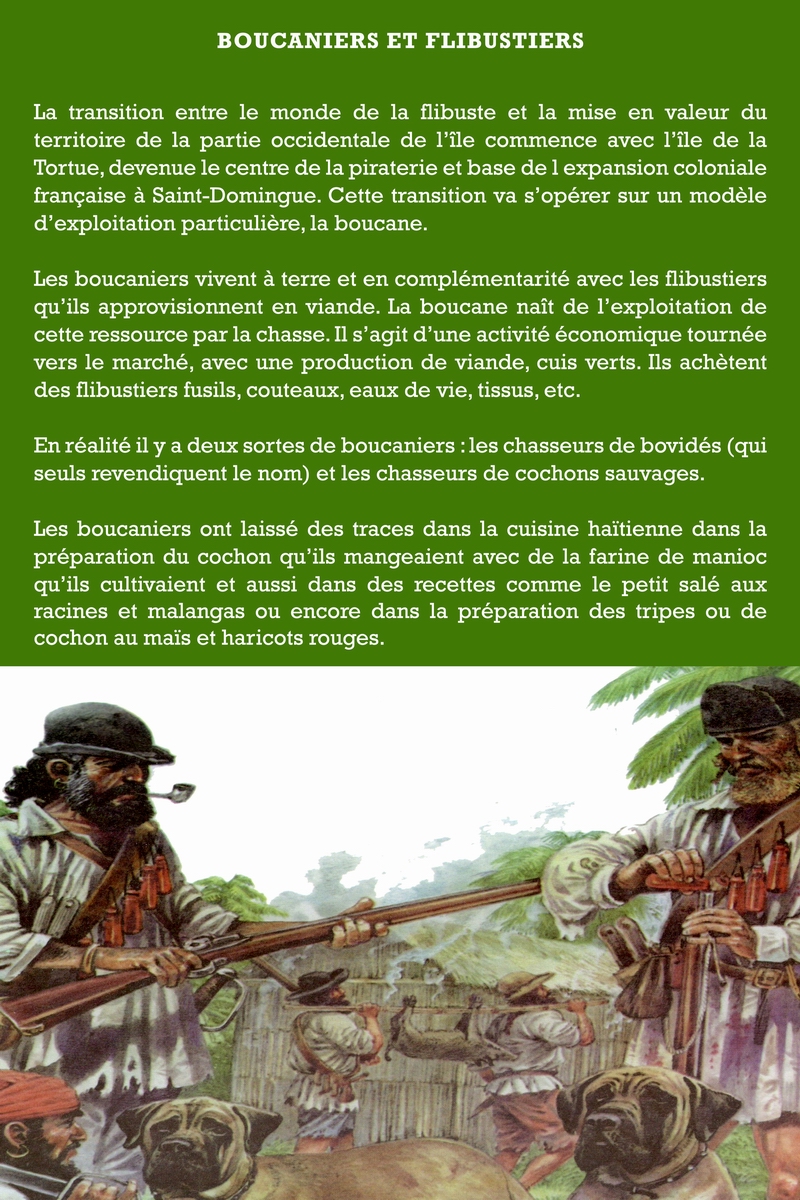
Boucaniers et flibustiers
Contrepoint de la canne à sucre et du café
AYITI TOMA
Notre ART CULINAIRE est né
… Le paysan haïtien reste l’héritier au XIXè siècle d’une RICHE TRADITION CULINAIRE puisant aux sources arawaks, européennes et africaines.
Les produits consommés proviennent essentiellement du terroir (petit mil, maïs, manioc, akassan, etc.) et forment la base de l’alimentation… Toutes sortes de nourriture d’appoint, selon les saisons, peuvent venir compléter la diète paysanne.
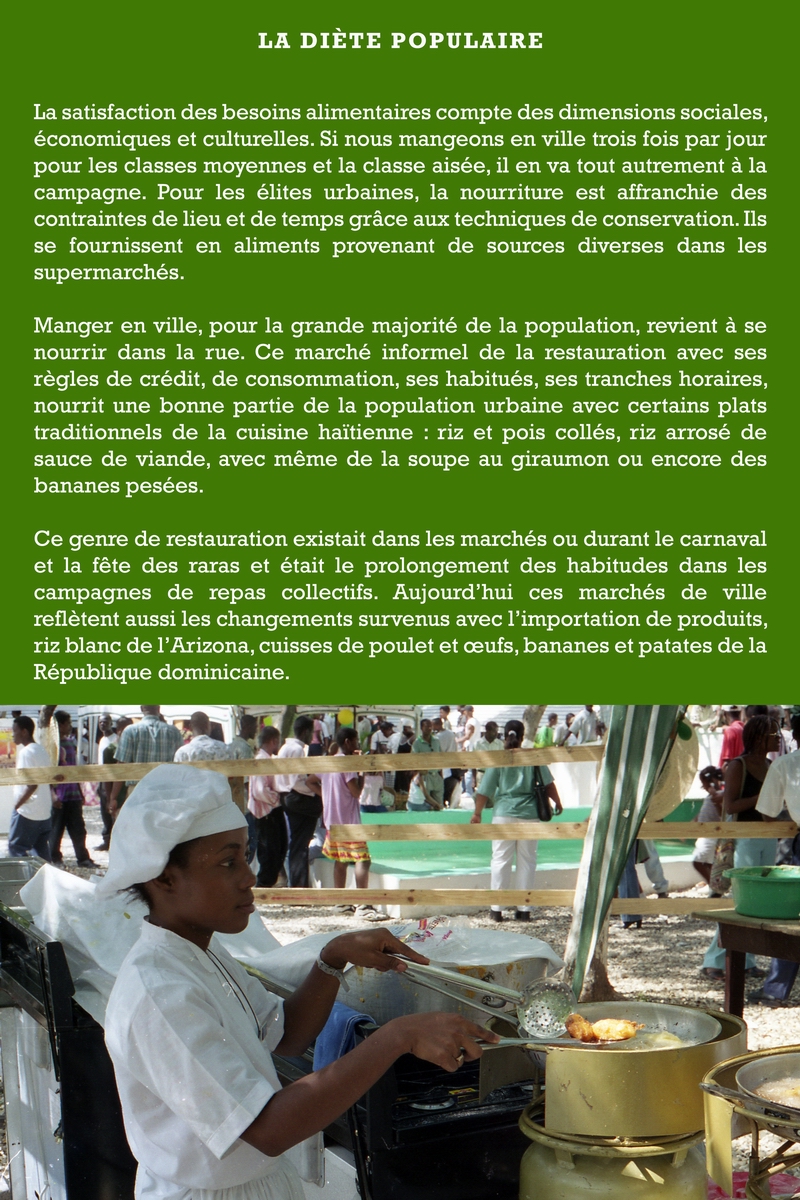
NOTRE ART CULINAIRE : LA DIÈTE POPULAIRE
:)
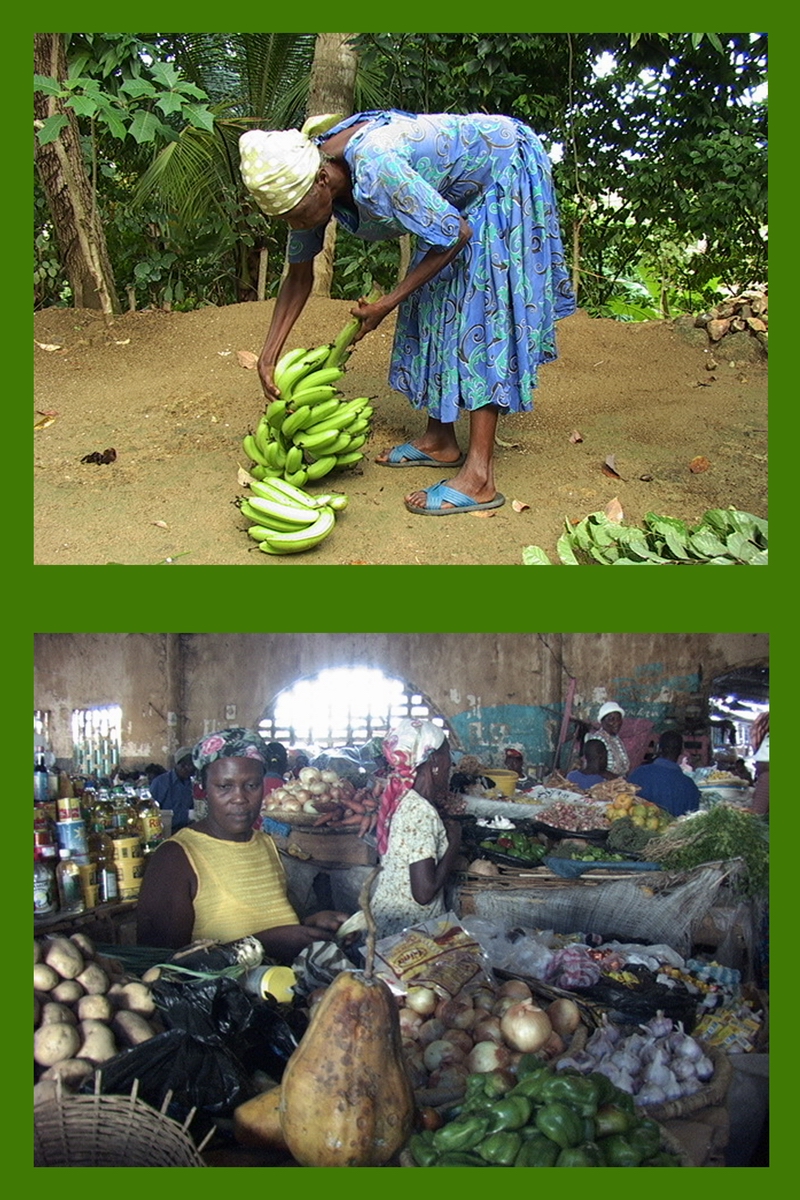
**
Produits 100% naturels…
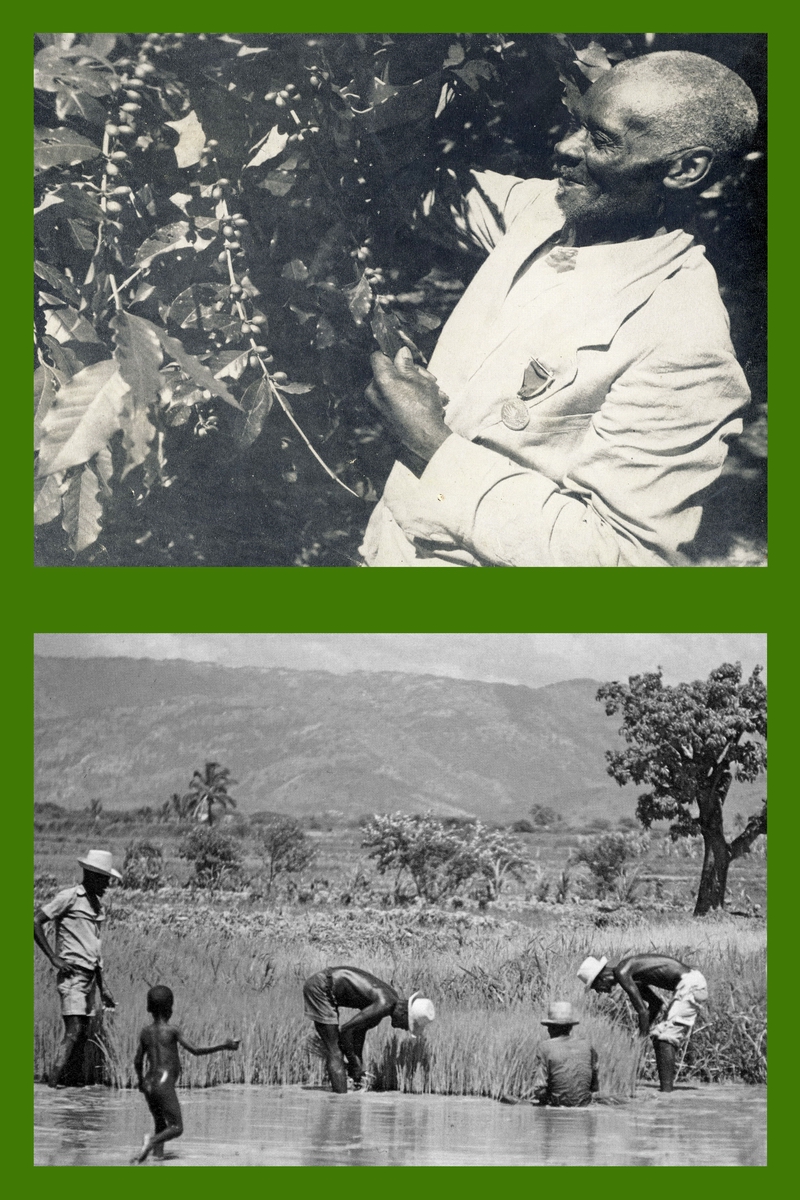
La cueillette : Tonton kontan :)
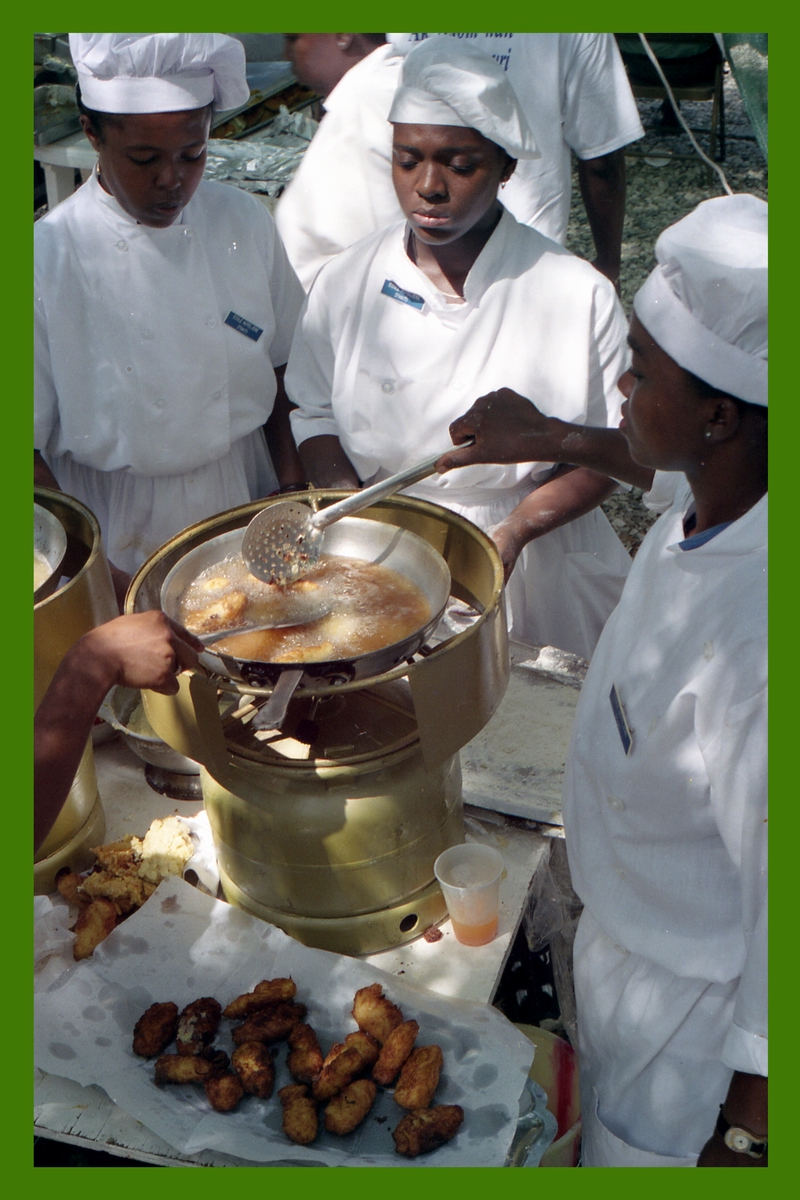
:)
–
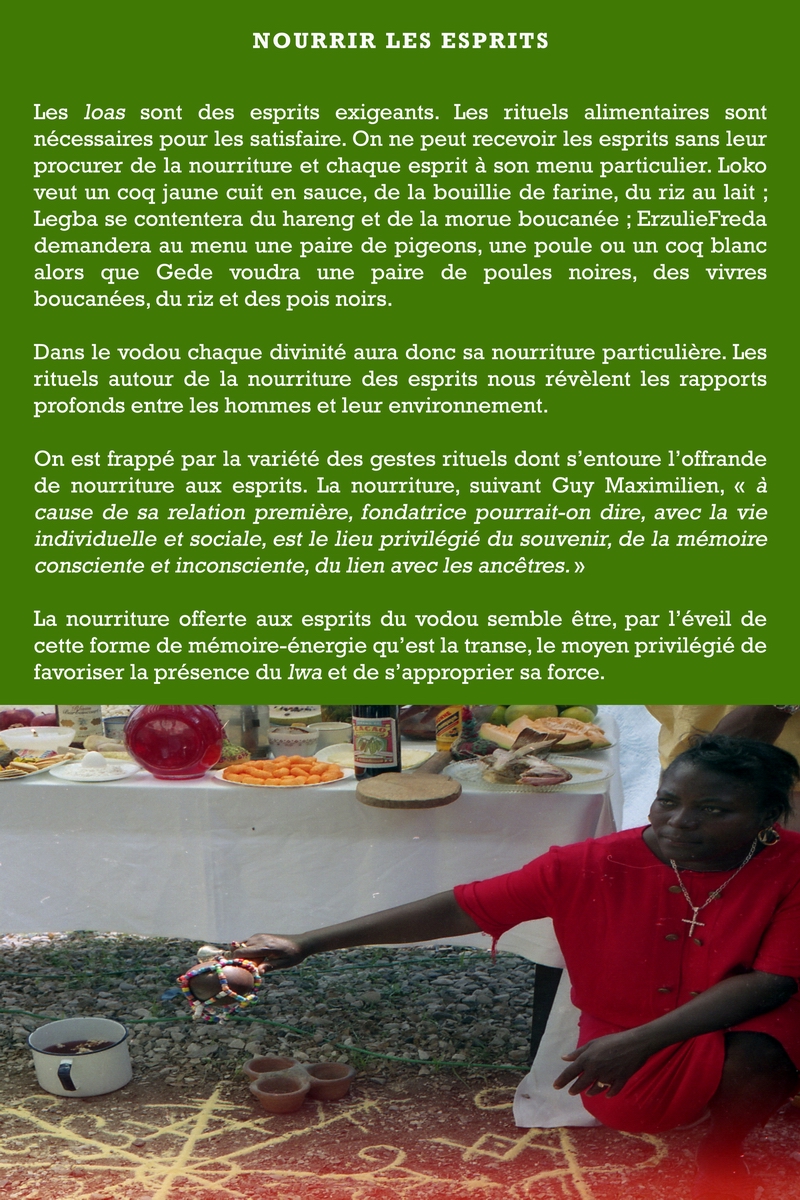
NOURRIR LES ESPRITS
Dans le vodou, chaque divinité aura donc sa nourrriture particulière.
Les rituels autour de la nourriture des esprits nous révèlent les rapports profonds entre les hommes et leur environnement.
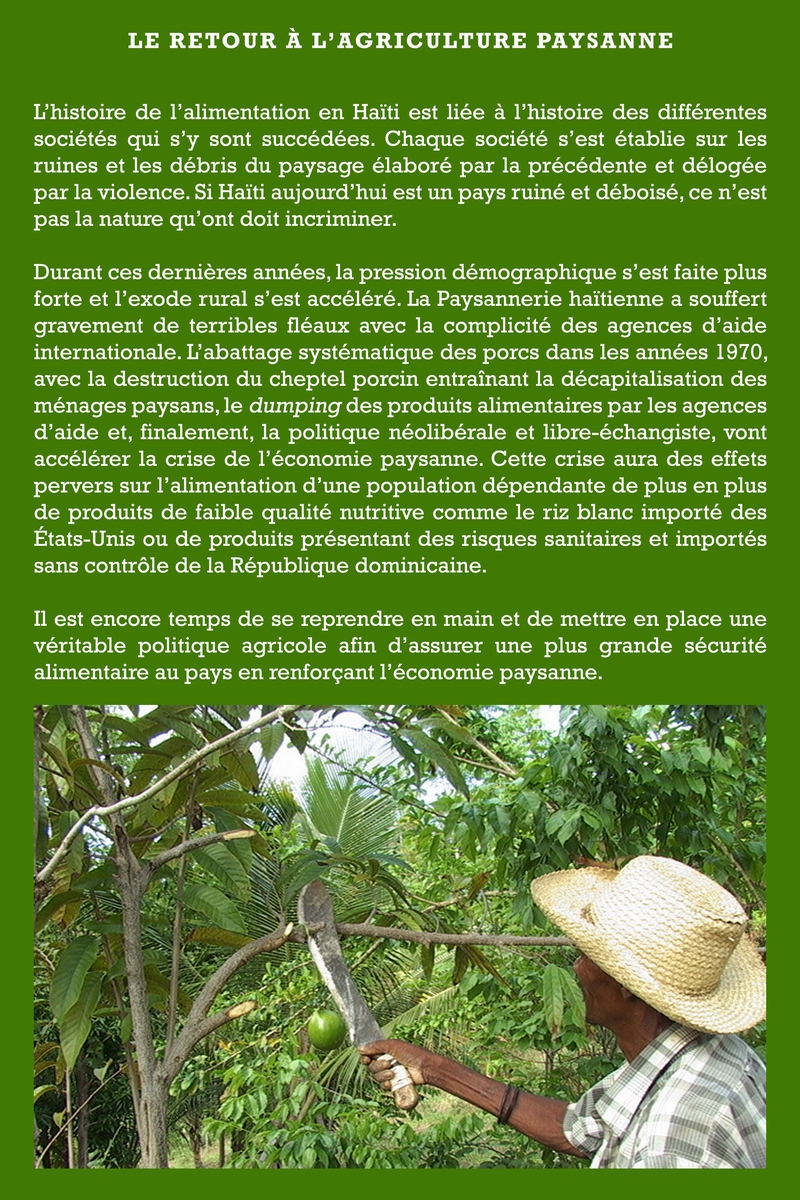
RETOUR À L’AGRICULTURE PAYSANNE
IL EST ENCORE TEMPS DE SE REPRENDRE EN MAIN ET DE METTRE EN PLACE UNE VÉRITABLE POLITIQUE AGRICOLE AFIN D’ASSURER UNE PLUS GRANDE SÉCURITÉ ALIMENTAIRE AU PAYS EN REFORCANT L’ÉCONOMIE PAYSANNE